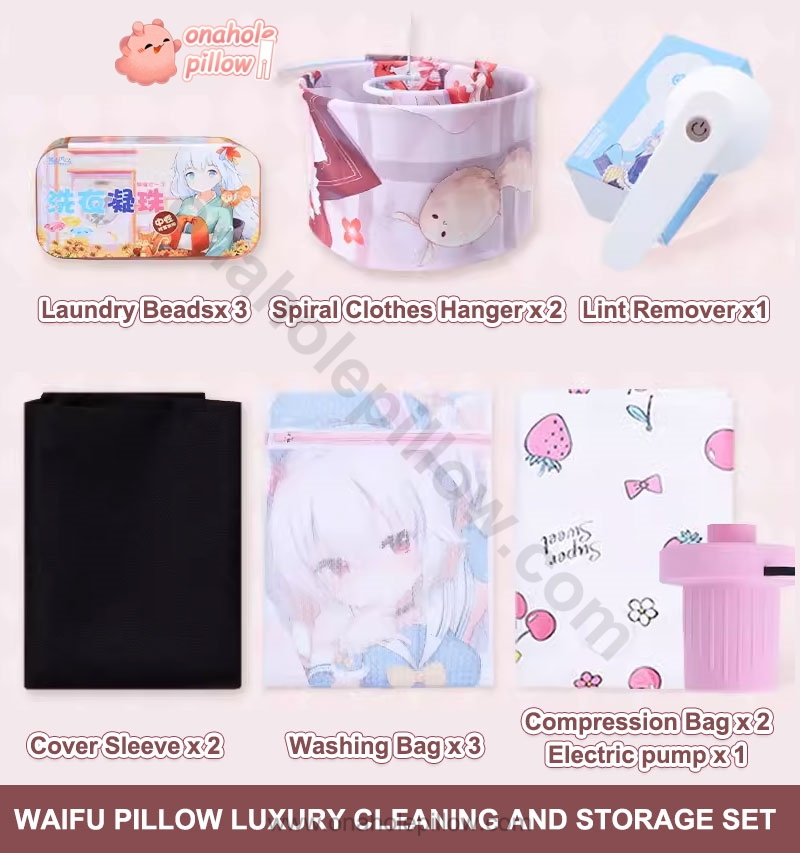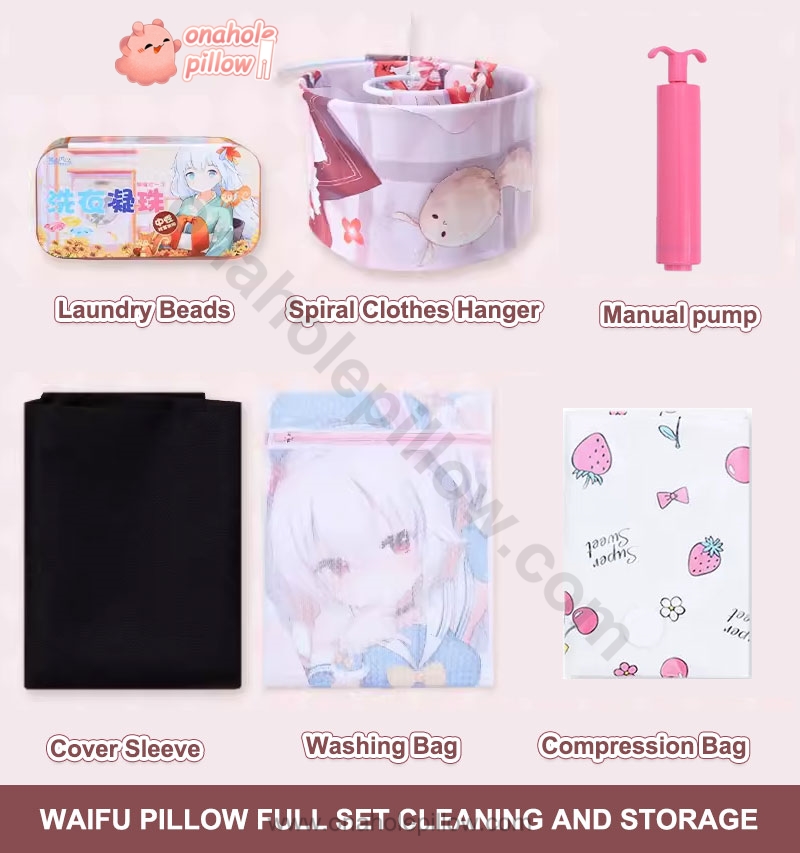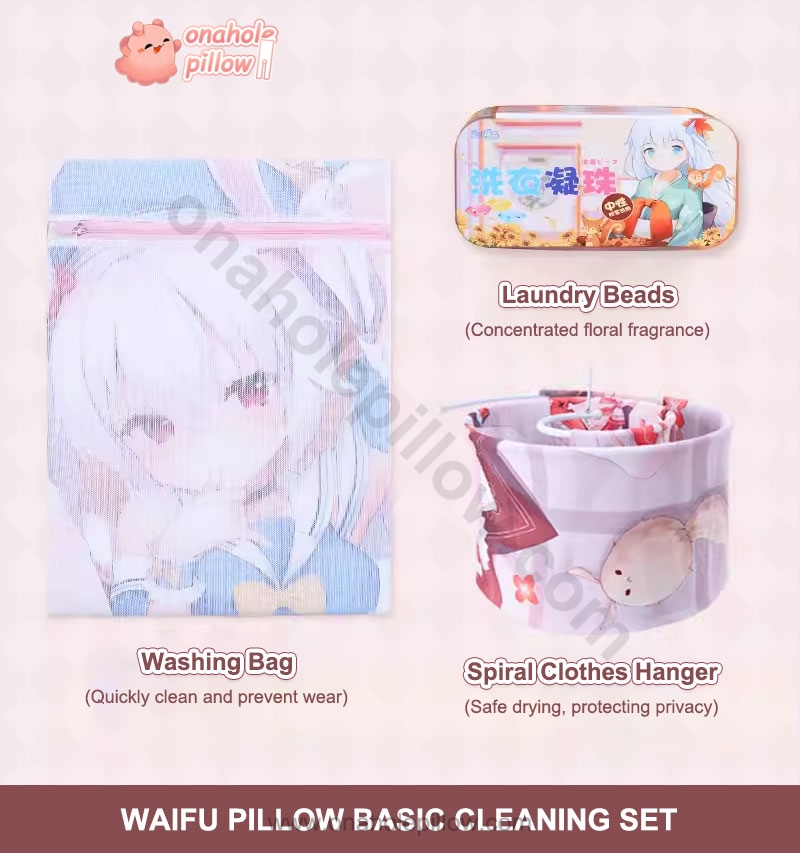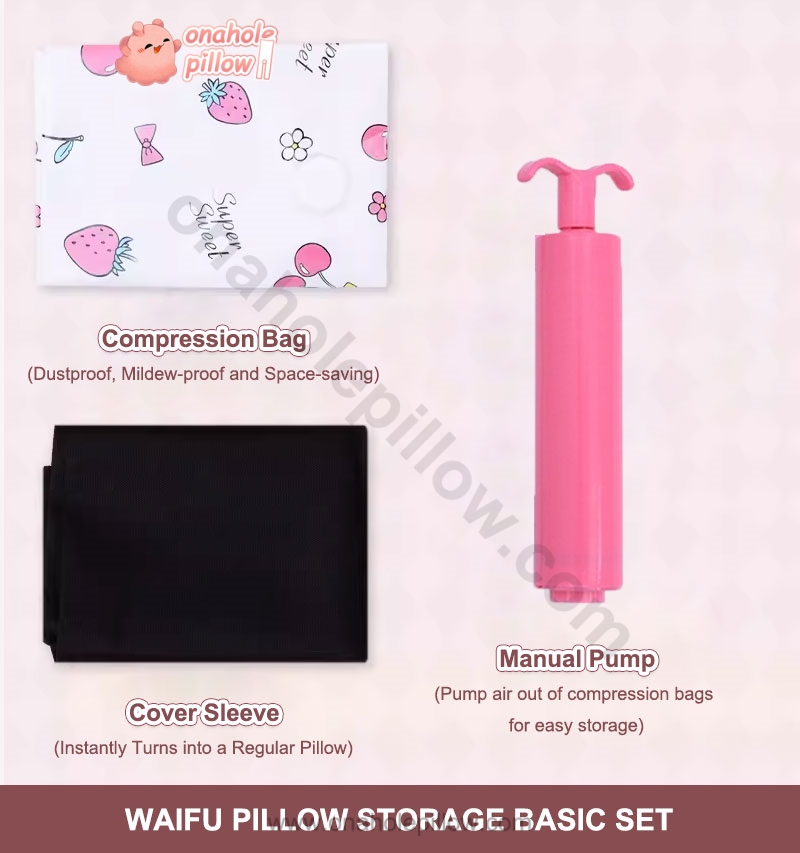
Owning a Dakimakura with an integrated or associated Onahole, such as the functional Split Leg Body Pillow often referred to as a "Fuckable Body Pillow," offers a unique blend of comfort and intimate pleasure. These products are fantastic companions, but like any item used for personal intimacy, maintaining strict hygiene is absolutely paramount. Proper cleaning not only ensures a clean and safe experience every time but also significantly extends the lifespan of your beloved body pillow and its integrated or attachable onahole components.
Ignoring cleaning can lead to bacterial buildup, unpleasant odors, and the degradation of materials over time, especially the delicate TPE or silicone used in onaholes. But how exactly do you clean a product that combines fabric and sensitive adult toy materials? It requires understanding the different components and treating each part with appropriate care.
This guide will walk you through the essential steps for washing your Dakimakura Onahole, covering the fabric cover, the onahole insert, and potentially the pillow core, ensuring you keep your intimate companion clean, fresh, and ready for use.
Understanding the Components You Need to Clean
A "Dakimakura Onahole" product typically consists of at least two main parts that require cleaning:
-
The Fabric Cover: This is the large, soft outer layer, usually featuring artwork (like on a standard Dakimakura) or simply a high-quality material like 2-Way Tricot (2WT) or Peach Skin. This gets the most contact during use.
-
The Onahole Component: This is the internal part designed for intimate use. It can be an integrated part of a specialized core (like in some "Fuckable Body Pillows") or a separate insert that fits into a designated opening in the cover or core. These are typically made from TPE (Thermoplastic Elastomer) or Silicone.
-
The Pillow Core/Insert: This is the main stuffing or inflatable bladder that gives the pillow its shape. Depending on the material (PP cotton, foam, inflatable PVC), it may or may not require frequent cleaning, and the method will differ.
Section 1: Washing the Dakimakura Cover
The fabric cover is the easiest part to wash, similar to cleaning any high-quality laundry item. Regular cleaning of the cover is crucial as it absorbs sweat, oils, and other residues from skin contact.
Frequency: Wash the cover regularly, depending on frequency of use. If used for intimate purposes, it's best to wash it after every significant use involving bodily fluids. For general cuddling, weekly or bi-weekly is usually sufficient.
Steps for Washing the Cover:
-
Remove the Inner Pillow/Core: Unzip the cover and carefully remove the entire inner pillow or core. Set the core aside in a clean, dry place. Never wash the cover with the core still inside, especially if the core is not designed for washing (like inflatable ones or certain foam).
-
Prepare the Cover: Turn the cover inside out. This protects the printed design (if any) and the fabric surface from abrasion during washing. Zip the cover closed. This prevents the zipper from snagging other items or getting damaged, and helps the cover maintain its shape.
-
Washing Method - Hand Wash (Recommended):
-
Fill a clean sink or tub with cool or lukewarm water (cold water is best for preserving colors and fabric integrity, especially for 2WT).
-
Add a small amount of mild detergent designed for delicate fabrics. Avoid harsh chemicals, bleach, or fabric softeners (fabric softeners can leave residue that affects the feel of 2WT).
-
Submerge the cover and gently agitate the water. Gently squeeze and rub the fabric to remove dirt and oils. Avoid aggressive scrubbing or wringing.
-
Rinse thoroughly with cool water until all soap residue is gone.
-
-
Washing Method - Machine Wash (If Tag Allows):
-
Check the care label on your cover. If machine washing is permitted, place the cover (still inside out and zipped) into a mesh laundry bag. This provides extra protection.
-
Use a delicate or gentle cycle.
-
Use cool or cold water only.
-
Use a small amount of mild detergent. Do not use bleach or fabric softener.
-
Select a low spin speed to prevent excessive wrinkling and stress on the fabric.
-
-
Drying the Cover:
-
Air Drying is Best: Hang the cover to air dry. Use a drying rack or hang it over a shower rod. Ensure good air circulation. This is the gentlest method and prevents shrinkage or heat damage.
-
Avoid Direct Sunlight: Direct sunlight can cause colors to fade, especially on printed covers.
-
Avoid Machine Drying: High heat from machine dryers can damage the fabric, cause shrinkage, and potentially damage zippers. If you must use a dryer, use the lowest heat setting or an air-only cycle, but air drying is strongly preferred.
-
Section 2: Cleaning the Onahole Insert/Component
This is the most critical part for hygiene, as it comes into direct contact with bodily fluids. Proper and immediate cleaning after every use is essential. The material (TPE or Silicone) dictates the cleaning method. Most onaholes, especially in integrated designs, are made from TPE.
Frequency: Clean the onahole immediately after every single use.
Steps for Cleaning the Onahole:
-
Immediate Rinse (Crucial): As soon as possible after use, rinse the onahole thoroughly under warm running water. Use your fingers to gently open any crevices and flush out all residues. This prevents fluids from drying and becoming harder to remove.
-
Washing with Soap:
-
Apply a small amount of mild, antibacterial soap (like hand soap or a gentle sex toy cleaner) to the wet onahole.
-
Work the soap into a lather, gently rubbing the surfaces, both inside and out. Pay extra attention to textured areas. Use your fingers or a soft brush (like a clean toothbrush reserved for this purpose) if needed for textures, but be gentle to avoid tearing TPE.
-
Important: Avoid harsh detergents, alcohol-based cleaners, petroleum-based lubricants, or products containing fragrances, parabens, or triclosan. These can damage TPE and Silicone, making them sticky, brittle, or even breaking them down. Plain mild soap and water are often best.
-
-
Thorough Rinsing: Rinse the onahole very thoroughly under running water until absolutely no soap residue or slipperiness remains. Soap residue can degrade the material over time and is unhygienic.
-
Drying the Onahole:
-
Gently shake off excess water.
-
Pat the exterior dry with a lint-free cloth or paper towel.
-
Crucially, ensure the inside is completely dry. Allow it to air dry thoroughly. You can place it upright to allow water to drain out, or gently squeeze the opening to encourage air flow. Proper drying prevents bacterial growth and mildew. Avoid using cloth towels for the interior as they can leave lint.
-
-
Post-Drying Care (For TPE): TPE surfaces can become slightly sticky over time. Many TPE onaholes benefit from being lightly dusted with a specialized TPE refreshing powder or cornstarch after drying and before storage. This helps maintain their smooth feel and prevents them from sticking to themselves or other items. Do not use talc-based powders. Silicone onaholes generally do not require powder.
-
Storage: Store the clean, dry onahole in a cool, dry place away from direct sunlight and extreme temperatures. Important: Store TPE and Silicone onaholes separately from each other and from other sex toys made of different materials. TPE can react with and damage silicone and other plastics. Use the original packaging, a dedicated cloth bag, or separate containers. Ensure it's protected from dust.
Section 3: Cleaning the Pillow Core/Insert (If Applicable)
The inner core usually doesn't need cleaning as frequently as the cover or onahole, unless there's a spill or accident.
-
PP Cotton Cores: Check the label. Some are spot-clean only, others are machine washable on a gentle cycle. Ensure it is completely dried afterwards, which can take a long time and may require professional cleaning or multiple dryer cycles on low heat with dryer balls (if machine washable). Incomplete drying can lead to mildew.
-
Inflatable Cores (PVC/TPU): These cannot be submerged. Wipe the surface with a damp cloth and mild soap or disinfectant spray. Rinse by wiping with a clean damp cloth. Allow to air dry completely before reinserting into the cover.
-
Integrated Onahole Cores: If the onahole is integrated into the core (like a special foam or structure), you can usually only clean the onahole part as described above, and potentially spot-clean the surrounding core material with a damp cloth if needed, ensuring it dries completely. Avoid saturating these cores.
Section 4: Reassembly
Once the cover and core (if cleaned) are completely dry, and the onahole component is clean and dry (and powdered, if needed), you can reassemble your Dakimakura Onahole. Carefully insert the core back into the cover, ensuring it's positioned correctly, and zip it up. If the onahole is a separate insert, place it into its designated opening according to the product instructions.
Common Mistakes to Avoid When Cleaning:
-
Using Hot Water: Damages fabric colors, elastic fibers (especially in 2WT), and can degrade TPE/Silicone. Always use cool or lukewarm water.
-
Using Harsh Chemicals/Bleach: Ruins fabrics and irrevocably damages TPE/Silicone. Stick to mild soaps.
-
Using Fabric Softener: Leaves residue on covers and can harm TPE/Silicone.
-
Boiling TPE Onaholes: Never boil TPE! It will melt, deform, or become sticky and unusable. Boiling is sometimes okay for Silicone toys, but always check the manufacturer's instructions and never boil TPE.
-
Machine Drying the Cover on High Heat: Damages fabric and zippers. Air dry is safest.
-
Not Rinsing Thoroughly: Soap residue causes material degradation and is unhygienic.
-
Not Drying Thoroughly: Leads to bacterial growth, mildew, and odors, especially inside the onahole or in damp cores.
-
Improper Storage of Onaholes: Storing TPE with Silicone, or exposing them to heat/sunlight, causes damage.
Conclusion
Taking the time to properly clean your Dakimakura Onahole after each use is not just a recommendation – it's a necessity for hygiene, safety, and preserving your investment. By following these steps for washing the cover gently, meticulously cleaning and drying the onahole component (paying close attention to material-specific care like TPE's sensitivity to heat and chemicals), and appropriately caring for the pillow core, you ensure that your Split Leg Body Pillow or other Dakimakura Onahole product remains clean, fresh, and enjoyable for a long time. Treat your intimate companion with care, and it will continue to provide comfort and pleasure safely.