Home/Washing & Care
Dakimakura care guide
How to Wash & Care for Your Dakimakura Cover
Keep your anime body pillow cover clean, soft, and looking its best. Learn the right ways to wash, dry, and care for 2WAY Tricot, New 2WAY, Plush, and Peach Skin fabrics.

Gentle Hand Wash

Fabric & Print
Essential care tips
The 6 Golden Rules of Dakimakura Care
Six simple habits to help protect your pillow cover.
Check the care label first. Follow the instructions for your exact cover or insert. If they differ from this general guide, follow the product label.
Cold Water
30°C / 86°F or below
Gentle Wash
Hand washing preferred
Mild Detergent
No harsh bleach
Shade Dry
Avoid direct sunlight
Inside Out
Protect printed artwork
Fully Dry
Dry before storing
Fabric care guide
How to Wash & Care for Different Dakimakura Fabrics
Different fabrics. Different care. Keep your favorite pillow cover looking its best.
Remove the pillow inner before washing. These instructions apply to removable pillow covers only.
For every fabric, remove the insert and detachable accessories first. Follow the care label and use the shared hand-wash steps. The cards below highlight material-specific handling.
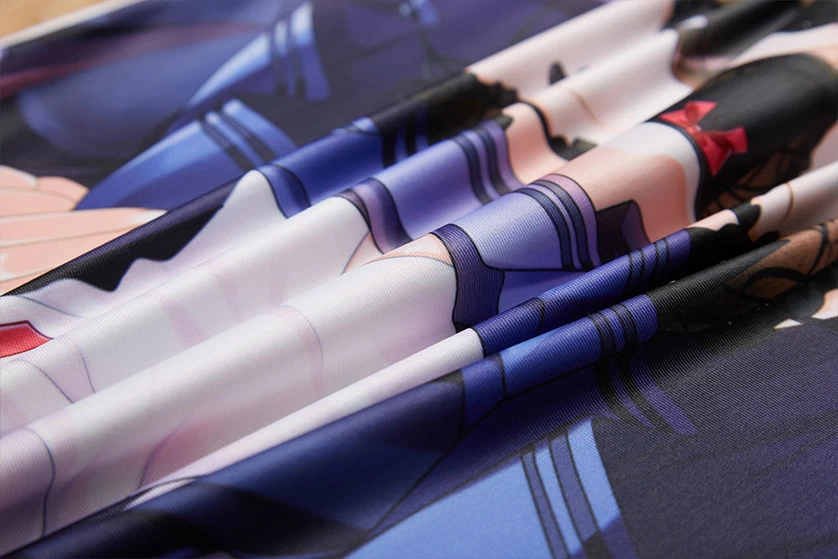
01 / Fabric Care
New 2WAY Fabric
Smooth · Stretchy · Premium Feel
New 2WAY is a smooth, stretchy cover fabric. Wash it by hand so the knit can keep its shape and the printed surface stays even.
Best Care
Gentle Hand Wash
Fabric-Specific Care
- Handle the stretchy knit without pulling or wringing.
- Reshape the cover and support it flat while drying.
What to Avoid
Rough friction · Wringing · High heat
Care priority: Elasticity & Smooth Finish
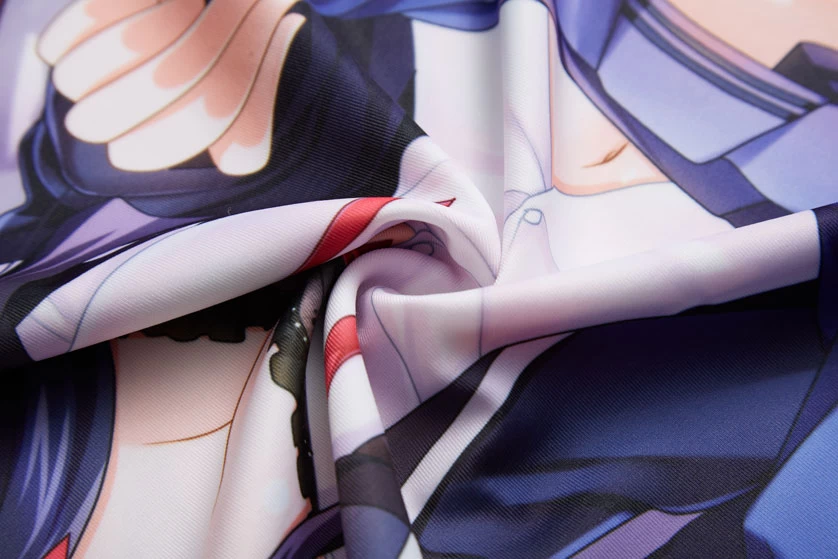
02 / Fabric Care
2WAY Tricot Fabric
Soft · Flexible
2WAY Tricot is a soft, flexible knit. Keep the wash light so the cloth does not snag, pill, or get pulled out of shape.
Best Care
Hand Wash Preferred
Fabric-Specific Care
- Keep rough surfaces and fasteners away from the smooth knit.
- Support the wet fabric without stretching or scraping it.
What to Avoid
Snagging · Hard pulling · Hot dryers
Care priority: Avoid Snags & Pilling

03 / Fabric Care
Peach Skin Fabric
Matte · Lightweight
Peach Skin is a lightweight fabric with a soft, lightly brushed surface. A gentle cold wash helps keep that finish and the printed areas intact.
Best Care
Gentle Cold Wash
Fabric-Specific Care
- Use light pressure to protect the lightly brushed finish.
- Avoid hard rubbing and prolonged direct sunlight on the printed surface.
What to Avoid
Scrubbing · Hot water · Direct sunlight
Care priority: Soft, Matte Finish
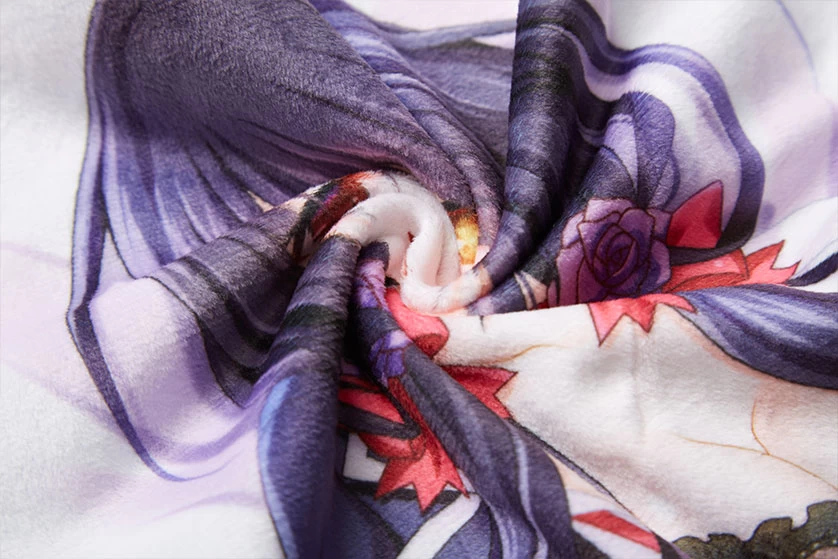
04 / Fabric Care
Plush Fabric
Fluffy · Warm
Plush has a short, fluffy pile. Friction and pressure can flatten that pile, so keep the wash gentle.
Best Care
Gentle Hand Wash
Fabric-Specific Care
- Press out excess water gently without twisting or compressing the pile.
- Let the pile dry fully, then smooth it lightly by hand.
What to Avoid
Hard rubbing · Pressure marks · High heat
Care priority: Fluffy Pile
Quick reference
Fabric Washing & Care Comparison
A quick guide to choosing the right care for each fabric.
| Fabric | Best Method | Protect |
|---|---|---|
| New 2WAY | Gentle hand wash | Stretch & finish |
| 2WAY Tricot | Hand wash preferred | Avoid snags |
| Peach Skin | Gentle cold wash | Soft texture |
| Plush | Gentle hand wash | Fluffy pile |
Step-by-step washing guide
How to Hand Wash a Dakimakura Cover
6 Simple Steps to Clean Your Anime Body Pillow Cover
Hand washing is one of the gentlest ways to clean a dakimakura cover. It helps reduce friction, protect printed artwork, and maintain the softness and flexibility of the fabric.
Whether you have a New 2WAY, 2WAY Tricot, Peach Skin, or Plush pillow cover, follow these simple steps for a careful, gentle clean.
Before you begin. You will need a clean basin, cool water, mild liquid detergent, and a clean towel.
Important: Remove the pillow insert and any accessories before washing. These instructions are for the removable pillow cover only.

Step 01 — Remove
Remove the Pillow Insert
Carefully open the pillow cover and slowly remove the pillow insert. Avoid pulling or stretching the fabric around zippers, seams, openings, and shaped sections. For split-leg, double-layer, or pillow-with-hole designs, take extra care around the specialized construction. Check the zipper and stitching before washing.
Care Tip: Handle delicate seams and openings gently.

Step 02 — Turn Inside Out
Protect the Printed Artwork
Turn your dakimakura cover inside out before washing. This helps reduce direct friction against the printed artwork and protects the outer surface during cleaning. If your cover has a zipper, close it carefully without catching any fabric.
Care Tip: Keep the printed surface on the inside while washing.

Step 03 — Prepare
Use Cool Water and Mild Detergent
Fill a clean basin with cool water, preferably at 30°C / 86°F or below. Add a small amount of mild liquid laundry detergent and mix gently until evenly distributed. Avoid bleach, harsh stain removers, and strong cleaning chemicals that may damage the fabric or printed design.
Care Tip: Use a small amount of detergent to make rinsing easier.

Step 04 — Gently Wash
Wash Without Scrubbing
Place the pillow cover in the water and gently press, lift, and move it through the water. Use light movements to clean the fabric without stretching or rubbing the printed surface. If needed, allow a short soak before continuing with gentle washing. Avoid stiff brushes, vigorous scrubbing, prolonged soaking, and excessive pulling.
Care Tip: Gentle pressing is better than aggressive rubbing.

Step 05 — Rinse & Press
Rinse Thoroughly
Drain the soapy water and rinse the pillow cover with fresh, cool water. Repeat as needed until the water runs clear and no noticeable detergent residue remains. Gently press out excess water without twisting or wringing the fabric. For delicate or highly stretchy covers, use a clean towel to absorb extra moisture.
Care Tip: Never twist your dakimakura cover like a towel.

Step 06 — Air Dry
Dry in the Shade
After washing, gently remove excess moisture with a clean, dry towel. Lay the pillow cover flat or drape it evenly over a drying rack, supporting the fabric to prevent stretching. Allow it to air dry naturally in a shaded, well-ventilated area. Avoid direct sunlight, radiators, and high-temperature tumble drying. Make sure the cover is completely dry before inserting the pillow inner again.
Care Tip: Natural air drying helps protect fabric texture and printed artwork.
A Little Extra Care Goes a Long Way
Gentle washing, cool water, and proper air drying can help keep your anime body pillow cover soft, comfortable, and looking its best.
Not sure how to care for your fabric?
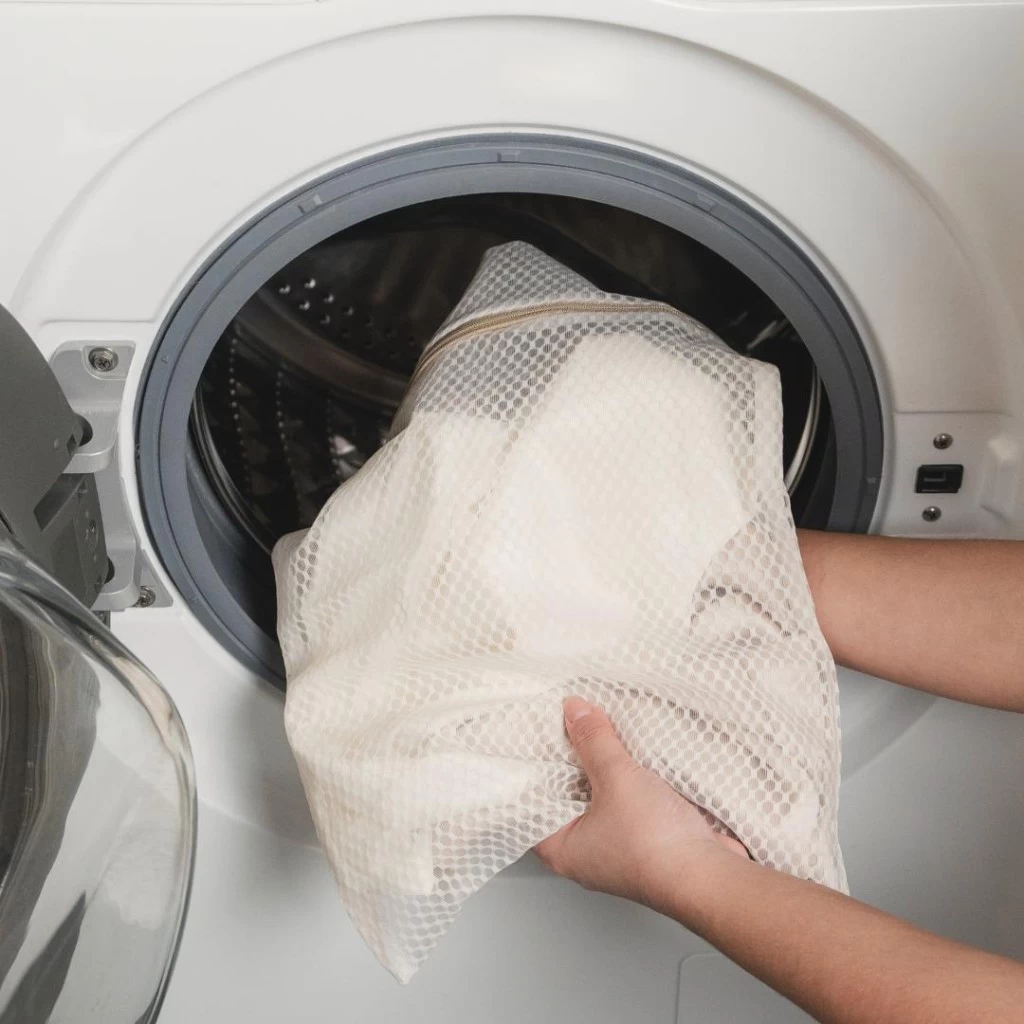
Machine washing guide
Can You Machine Wash a Dakimakura Cover?
Machine Wash Only If the Care Label Allows It.
Check the care label for your exact cover. A fabric name alone does not confirm whether machine washing is suitable.
If machine washing is not explicitly permitted, use the hand-wash method instead.
For a cover labeled machine-washable, follow its instructions for temperature, cycle and spin settings. The precautions below help reduce friction and snagging.
Gentle care recommended. Hand washing remains the preferred option for long-term fabric care.
Settings for Machine-Washable Covers
Keep the wash cool, gentle, and protected. Cold water, a delicate cycle, and a mesh laundry bag matter most.
Wash Cycle
Gentle / Delicate / Hand Wash
Water Temperature
Cold Water · 30°C / 86°F or Below
Spin Speed
Low Spin or No Spin
Detergent
Mild Liquid Detergent
Fabric Protection
Fine-Mesh Laundry Bag
Drying Method
Natural Air Drying in the Shade
We offer a fine-mesh laundry bag in our Cleaning & Storage Set. Use it to protect the cover during a machine wash.
Shop the Cleaning & Storage SetHow to Machine Wash a Dakimakura Cover
Follow the seven steps in order. The first step is open. Open any other step for the full instructions.
Remove
Remove the pillow insert and accessories.
Show full instructionsHide full instructions
Carefully remove the pillow inner and any accessories. Only the removable pillow cover should go into the washing machine.
Turn Inside Out
Protect the artwork and close the zipper.
Show full instructionsHide full instructions
Turn the pillow cover inside out to reduce friction against the printed artwork. Check and carefully close the zipper without catching the fabric.
Use a Laundry Bag
Place the cover into a fine-mesh laundry bag.
Shop the Laundry BagShow full instructionsHide full instructions
Put the pillow cover into a fine-mesh laundry bag large enough to hold it without tightly compressing the fabric. This helps reduce tangling, friction, and snagging during washing.
Select Gentle Settings
Choose a cold, delicate cycle with low spin.
Show full instructionsHide full instructions
Select a Gentle, Delicate, or Hand Wash program with cold water. Keep the temperature at 30°C / 86°F or below and use a low spin speed, or disable spinning if practical.
Add Mild Detergent
Avoid bleach, harsh detergents, and rough laundry.
Show full instructionsHide full instructions
Use a small amount of mild liquid detergent. Avoid bleach, harsh cleaning chemicals, and aggressive washing programs. Wash the cover separately or only with other lightweight, delicate fabrics.
Remove and Reshape
Unfold gently without stretching or twisting.
Show full instructionsHide full instructions
Remove the cover promptly after washing. Gently unfold and reshape it without stretching, wringing, or twisting.
Air Dry
Dry completely in a shaded, ventilated area.
Show full instructionsHide full instructions
Lay the cover flat or drape it evenly over a drying rack in a shaded, well-ventilated area. Allow it to dry completely before reinstalling the pillow insert. Avoid direct sunlight and high-temperature drying.
Which Fabrics Are Better Suited for Machine Washing?
These notes are cautious. The same fabric name can be made differently, so a gentle cycle is not a promise for every cover.
New 2WAY
Hand Wash Strongly Preferred
Gentle hand washing is strongly preferred to help protect its smooth surface and elasticity.
2WAY Tricot
Gentle Machine Wash May Be Suitable
A cold, delicate machine wash may be an option, but hand washing is preferred for long-term care.
Peach Skin
Gentle Machine Wash May Be Suitable
Gentle cold-water machine washing may be suitable for some Peach Skin constructions. Avoid heavy agitation and rough fabrics.
Plush
Gentle Hand Wash Recommended
Gentle hand washing is recommended to help preserve the soft, fluffy pile and reduce matting.
What Should You Avoid?
- Hot water and high-temperature drying
- Strong spin cycles and aggressive agitation
- Washing with denim, rough towels, metal fasteners, or hook-and-loop fasteners
- Bleach, harsh detergents, and excessive fabric friction
- Twisting or stretching the cover while wet
Gentle Care. Longer-Lasting Comfort.
For the best long-term care, gentle hand washing is our preferred recommendation. Machine washing may be convenient for certain fabrics, but gentle handling helps protect the printed artwork, fabric texture, and comfort of the cover.
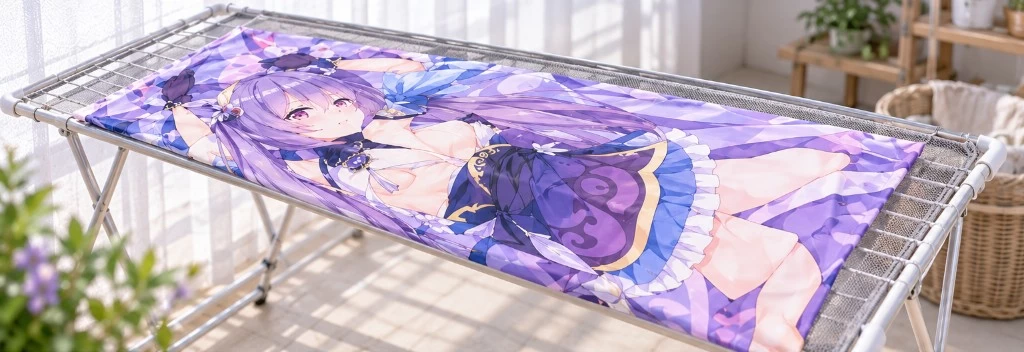
Dakimakura drying guide
How to Dry Your Dakimakura Cover
Protect the Shape. Preserve the Print. Air Dry the Right Way.
Proper drying is just as important as gentle washing. A wet dakimakura cover can stretch under its own weight, especially if it is hung from one end.
To help maintain its original shape, soft texture, and printed artwork, air dry it naturally in a shaded, well-ventilated area.
The Right Way and What to Avoid
A long cover should not carry its wet weight from one corner or one end. Support it evenly, and keep it out of direct sun.
Do
The Right Way
- Press out extra water with a clean towel.
- Support the fabric evenly on a rack or flat surface.
- Smooth it into its natural shape.
- Dry in the shade with airflow.
- Check that every layer is dry before the insert goes back in.
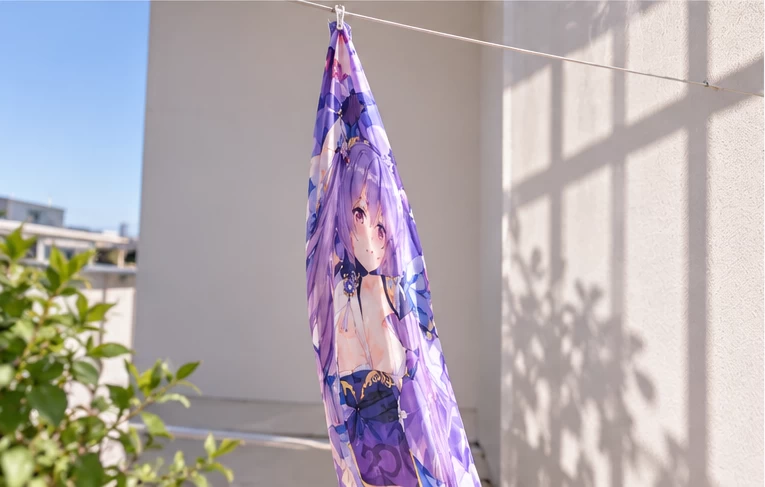
One corner
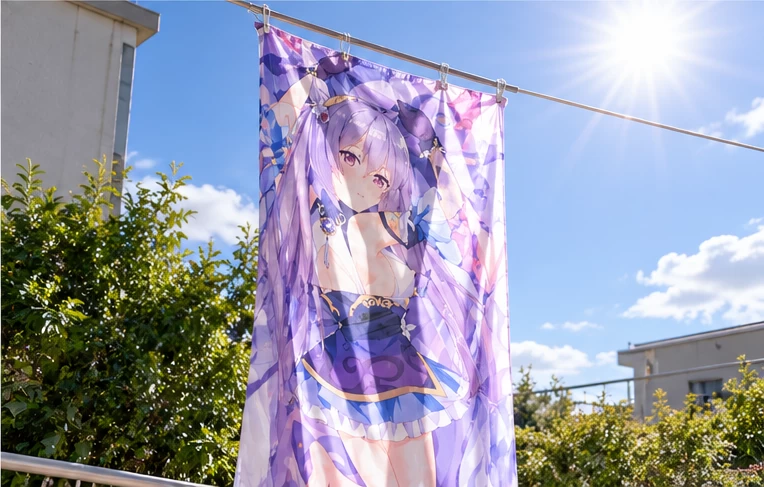
Direct sun
Don't
What to Avoid
- Hang a soaking-wet 150 cm or 180 cm cover from one end or corner.
- Use high heat, a tumble dryer, a hair dryer, or a radiator.
- Pull or stretch the cover while it is wet.
- Dry it in prolonged direct sunlight.
- Put the insert back while any area is still damp.
5 Steps to Proper Air Drying
01
Press
Gently press the cover with a clean, soft towel. Do not twist or wring it.
02
Support
Lay it flat or drape it evenly so the wet weight is spread across the fabric.
03
Reshape
Smooth major folds back into shape. Do not pull the length or the seams.
04
Air Dry
Use a shaded, ventilated spot. Keep it away from direct sun and heaters.
05
Check
Confirm the zipper, seams, openings, and inner layers are fully dry.
We offer a drying rack sized for body pillow covers in our Cleaning & Storage Set. It keeps the wet cover supported instead of hanging from one point.
Shop the Drying Rack SetDrying Tips for Different Fabrics
New 2WAY
Smooth · Stretchy · Premium Feel
Lay it flat when you can, or support it evenly on a rack. Avoid stretching it while wet.
Drying priority: Prevent stretching
2WAY Tricot
Soft · Flexible · Smooth Surface
Air dry in the shade with the fabric evenly supported. Do not hang the full wet weight from a narrow point.
Drying priority: Maintain shape and elasticity
Peach Skin
Matte · Lightweight · Soft-Touch Finish
Air dry in a shaded, ventilated area. Smooth the surface lightly and keep it out of prolonged direct sun.
Drying priority: Protect the soft finish and print
Plush
Fluffy · Warm · Soft Texture
Dry away from heat and let air move around the fabric. Do not compress the pile while it is damp. Once dry, fluff it lightly with your hands.
Drying priority: Preserve softness and fluffiness
Extra Care for Special Pillow Designs
Split Leg Body Pillow
Support both leg sections evenly. Do not leave the wet cover hanging from one leg or pull on the split seams.
Double Layer Dakimakura
Make sure both the outer and inner layers are completely dry. Leave airflow around the zipper and overlapping sections.
Full Body Pillow With Hole
Keep the opening and the seams around it supported. Do not stretch the opening while the fabric is wet.
Half Body Pillow With Hole
Check the bottom opening, the zipper, and any folded fabric where moisture can stay trapped.
Fully Dry Before You Reinsert
A dry cover is a happier cover. Check the printed surface, seams, zipper, and inner layers before the pillow insert goes back inside.
Gentle washing and proper air drying help the cover stay in shape for longer.
Stain & odor removal guide
How to Remove Stains and Odors from a Dakimakura Cover
From Everyday Stains to Stubborn Odors — Gentle Cleaning Starts Here.
Sweat, body oils, accidental spills, and everyday use can leave stains or unpleasant odors on your anime body pillow cover.
Many common stains can be treated with cool water, mild detergent, and careful cleaning. Whether your cover is New 2WAY, 2WAY Tricot, Peach Skin, or Plush, the right method helps protect the fabric and the printed artwork.
Gentle care first. Treat stains as soon as you can. Avoid aggressive rubbing, harsh chemicals, and high heat.
Before spot cleaning: Remove the pillow insert and any accessories. Test the cleaning solution on a small, hidden area and check for color or texture changes. On a split-leg, double-layer, or open-hole cover, also check the seams, zipper, and overlapping fabric.
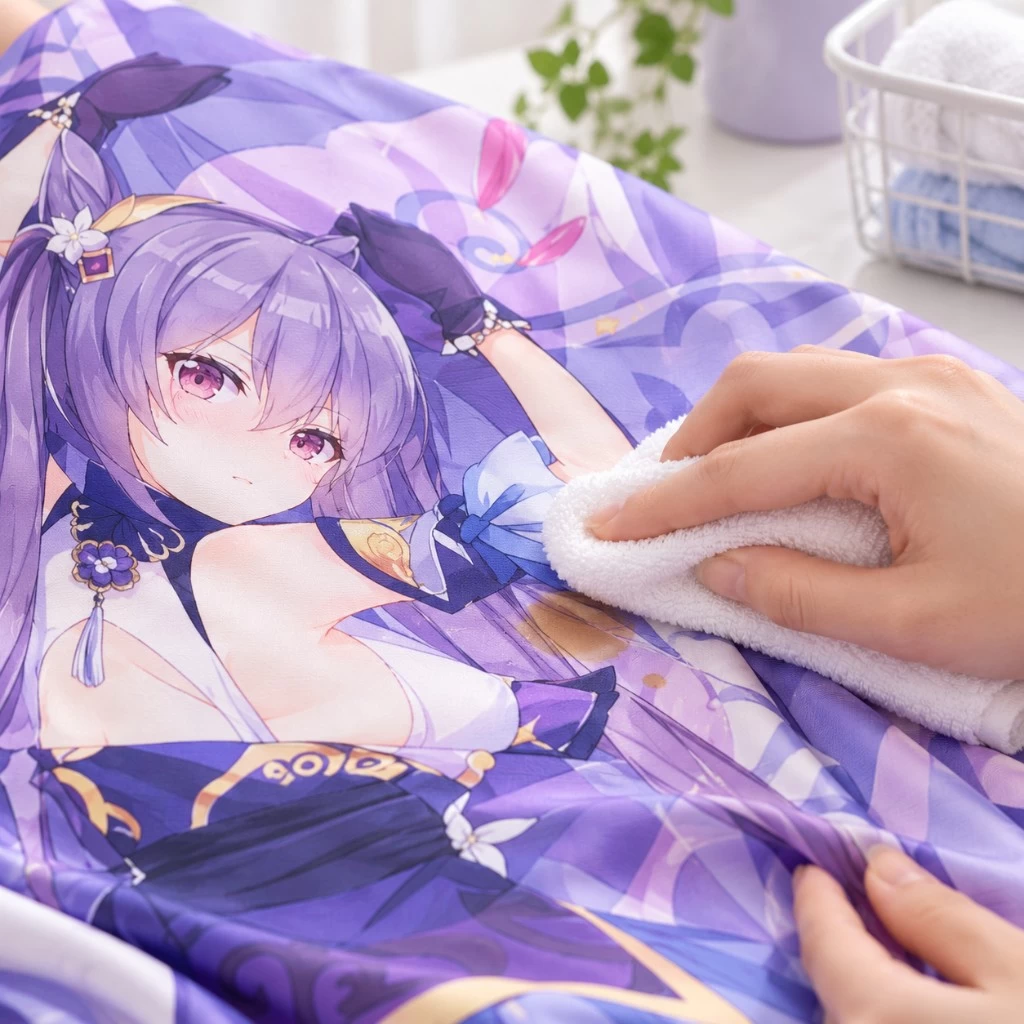
Common Stains & How to Treat Them
Find the stain, then follow the treatment. Dakimakura stain removal works best when you act early and keep the wash cool.
| Problem | Recommended Treatment | What to Avoid |
|---|---|---|
| Sweat Stains | Rinse with cool water and gently wash using mild liquid detergent. | Leaving sweat untreated for long periods. |
| Body Oil & Skin Oils | Apply a small amount of diluted mild detergent, gently press the affected area, then rinse thoroughly. | Aggressive rubbing or excessive detergent. |
| Food & Drink Spills | Blot immediately with a clean, absorbent cloth. Rinse with cool water and gently clean. | Rubbing the stain back and forth or applying heat. |
| Semen Stains | Rinse promptly with cool water. Gently treat with mild detergent, then wash and rinse thoroughly. | Hot water, strong scrubbing, or leaving residue to dry. |
| Dust, Hair & Lint | Use a clean microfiber cloth or a fabric-appropriate lint remover with light pressure. | Stiff brushes, sharp tools, and aggressive pulling. |
| Unpleasant Odors | Air out in a shaded, ventilated area. If the odor remains, gently wash and dry completely. | Heavy perfume sprays or storing the cover while damp. |
| Mold or Mildew | Stop using the affected cover and assess the extent. Replacement is recommended for extensive or recurring mold growth. | Covering the odor, scrubbing dry mold, or applying harsh bleach. |
How to Spot Clean Your Dakimakura Cover
Four gentle steps for treating everyday stains. The last step uses shade drying so the cover is fully dry before you use it again.
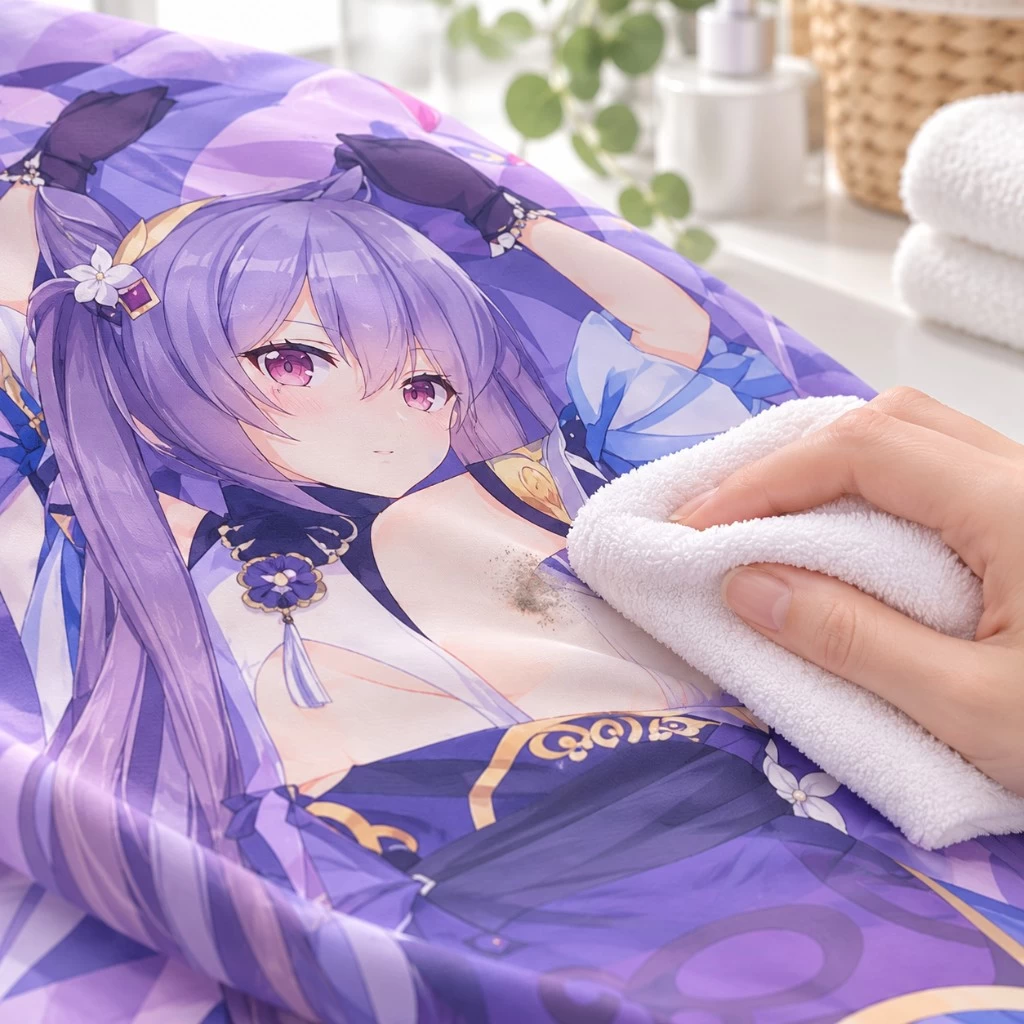
Step 01 — Blot
Remove Excess Moisture
For a fresh liquid stain, press a clean, absorbent cloth against the area. Do not rub it across the printed fabric. For thicker residue, lift off the excess without scraping the fibers.
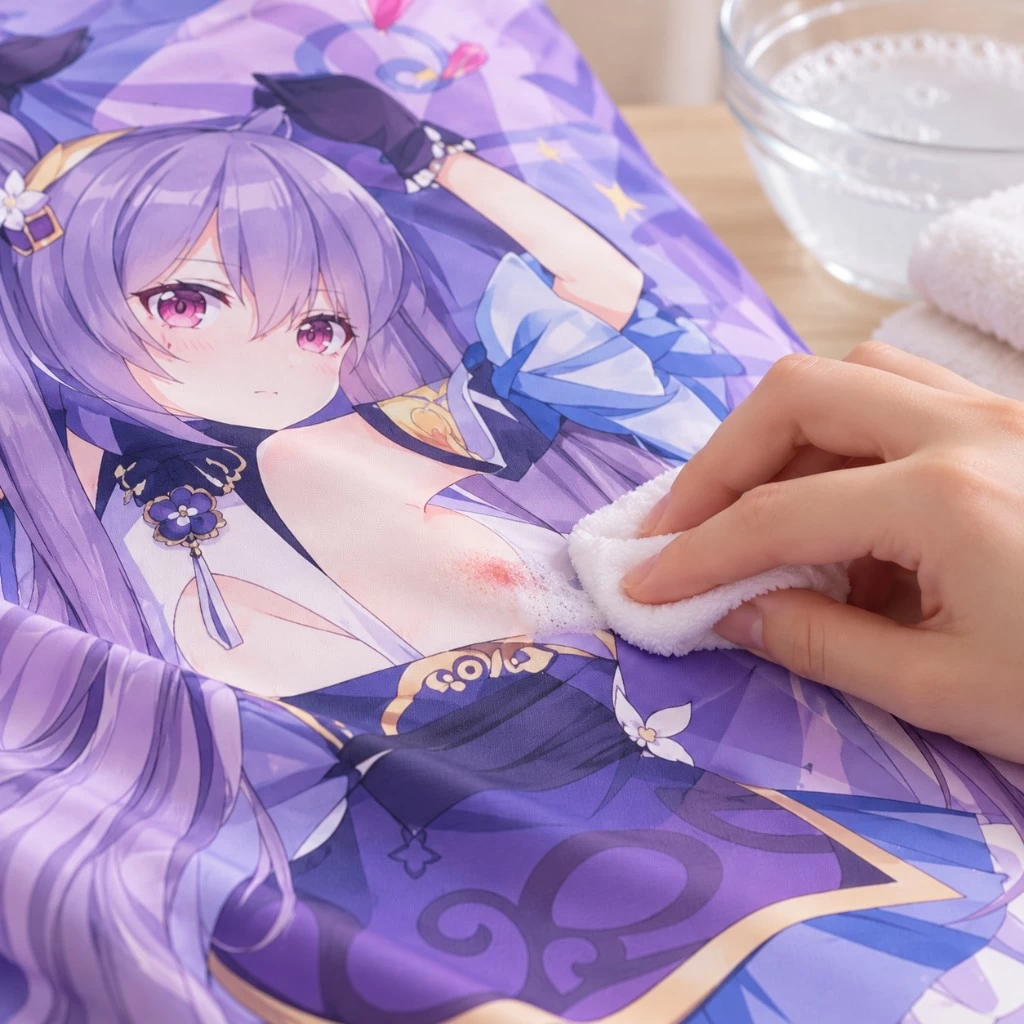
Step 02 — Apply
Use Mild Detergent
Mix a small amount of mild liquid detergent with cool water. After a hidden-area test, apply a little with a soft cloth, working from the outer edge toward the center.

Step 03 — Rinse
Remove Detergent Residue
Rinse the treated section thoroughly with cool water. Do not scrub, twist, or stretch the fabric. If staining is widespread, gently wash the whole removable cover.
Step 04 — Air Dry
Dry Completely in the Shade
Press out extra water with a clean towel, then air dry in a shaded, ventilated area. Check the fabric, seams, zipper, and hidden layers before the insert goes back in.
Special Care for Semen and Other Body Fluid Stains
Semen is a protein-containing fluid, so cool water is a sensible first step. It helps keep the stain from becoming harder to remove.
- Rinse the affected area with cool water as soon as possible.
- Gently apply a small amount of diluted mild liquid detergent.
- Avoid hot water during the first treatment.
- Rinse thoroughly, then wash the removable cover gently.
- Let the fabric dry completely before use.
Important: If the liquid has passed through the cover and reached the pillow insert, the insert may need separate cleaning. The right method depends on the insert’s material and construction.
How to Remove Unpleasant Odors
Fresh fabric starts with proper cleaning and drying. For a light, everyday odor, take the cover off and air it in a shaded, well-ventilated space.
If the odor stays, gently wash the cover with mild detergent and rinse thoroughly. Make sure every fabric layer is fully dry before storage or reuse.
Do not try to hide a persistent smell with heavy perfume or fabric spray. If a musty smell remains after cleaning and drying, check the cover and the pillow insert for trapped moisture or possible mold.
What If You Find Mold?
Do not ignore visible mold or a persistent musty odor. Mold can develop when fabric stays damp or is stored without enough airflow.
If you see mold, stop using the affected item and check both the cover and the pillow insert. For extensive, recurring, or deeply embedded mold, replacing the affected item is the safer option. Mold can be difficult to remove completely from porous materials.
Do not cover the odor with fragrance, brush dry mold aggressively, or treat the printed cover with strong bleach.
Test First. Treat Gently.
Always test a cleaning solution on a hidden area before treating a visible stain. Different fabrics, dyes, and stains can respond differently, and some old or deeply absorbed stains may not disappear completely.
Gentle cleaning and early treatment protect the fabric and printed artwork better than repeated hard scrubbing.
Special pillow care guide
Special Care for Different Dakimakura Pillow Designs
Different Pillow Designs. Different Details to Protect.
Not every anime body pillow is built the same way. Split-leg seams, a hidden double layer, a center opening, and a compact bottom opening each have a spot that is easier to stretch or leave damp.
Gentle cleaning protects those seams, zippers, openings, and shaped sections. The notes below focus on the fragile part of each design.
Before you begin: Remove the pillow insert and all detachable accessories. Gentle hand washing is the preferred method for covers with these constructions.
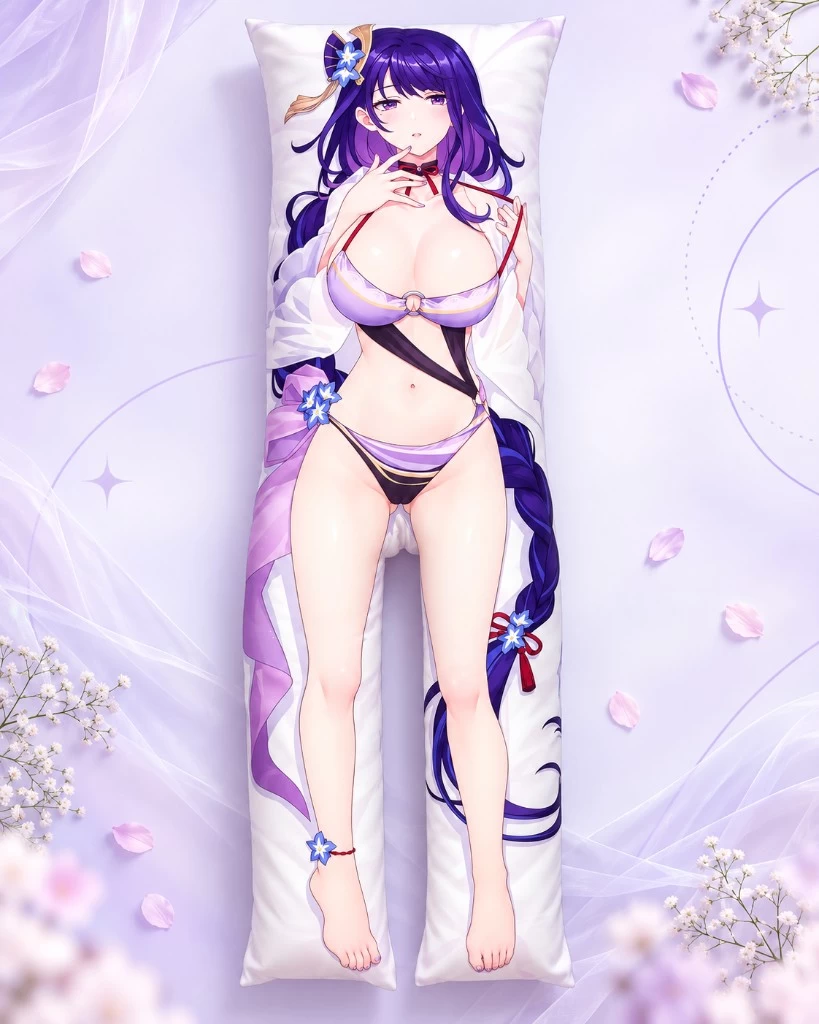
Full product
Leg seam
01 / Pillow care
How to Clean a Split Leg Body Pillow
Care focus: Leg seams and shape
Split-leg body pillows have two separately shaped leg sections, with extra seams, curves, and narrow fabric that need careful handling.
Washing & drying details
During washing
- Gently wash around the inner leg seams and curved sections.
- Do not pull, twist, or shake the cover by a single leg.
- When turning it inside out, guide each leg through without forcing the fabric.
- Press lightly around the shaped areas instead of scrubbing.
During drying
- Support both leg sections evenly while the cover is wet.
- Lay it flat when you can, so it can keep its natural shape.
- Do not hang the whole wet cover from one leg or a narrow seam.
- Let the inner leg seams and curved areas dry completely.
What to avoid: Pulling one leg, twisting shaped sections, or letting the wet fabric hang unevenly.
Care tip: Support both legs equally to reduce stretching and seam stress.
Explore Split Leg Body Pillows →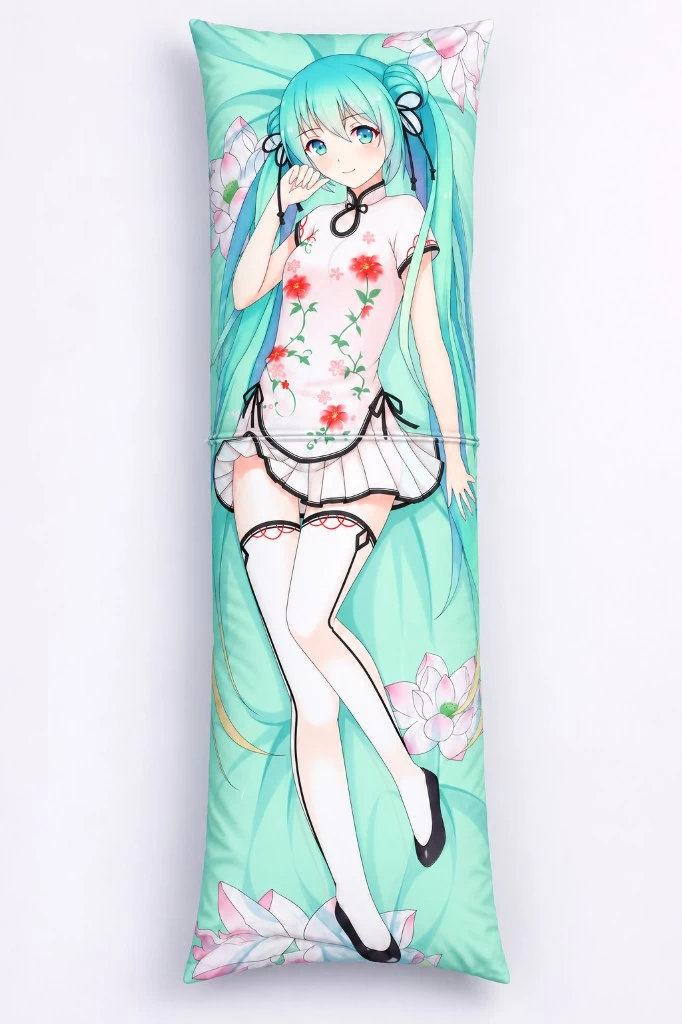
Full product
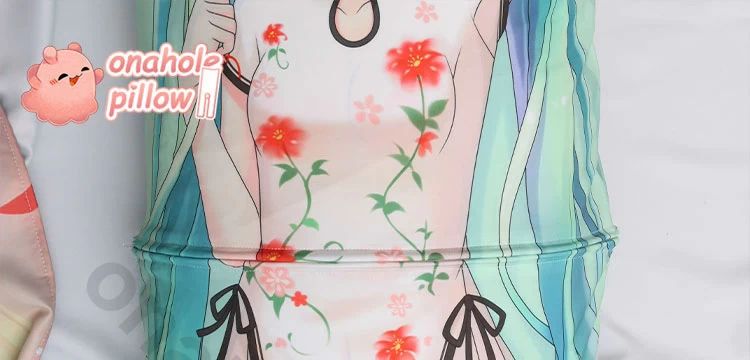
Hidden zipper
02 / Pillow care
How to Care for a Double Layer Dakimakura
Care focus: Hidden zipper and inner layer
A double-layer cover has an outer printed layer, a hidden zipper, and an inner fabric layer. Both layers need care while you wash and dry it.
Washing & drying details
During washing
- Check between the layers and remove anything loose before washing.
- Handle the hidden zipper so it does not snag the printed fabric.
- Keep the zipper closed during washing without trapping fabric in the teeth.
- Clean the outer and inner layers gently. Do not pull the inner layer out by force.
During drying
- Open and separate the layers you can reach after washing.
- Let air move around both the inner and outer fabric.
- Check the hidden zipper, overlapping fabric, and inner seams.
- Make sure both layers are completely dry before you close and store the cover.
What to avoid: Forcing the zipper, pulling the inner layer, trapping fabric in the zipper, or leaving a hidden area damp.
Care tip: The inner layer needs the same drying attention as the outer cover.
Explore Double Layer Dakimakura →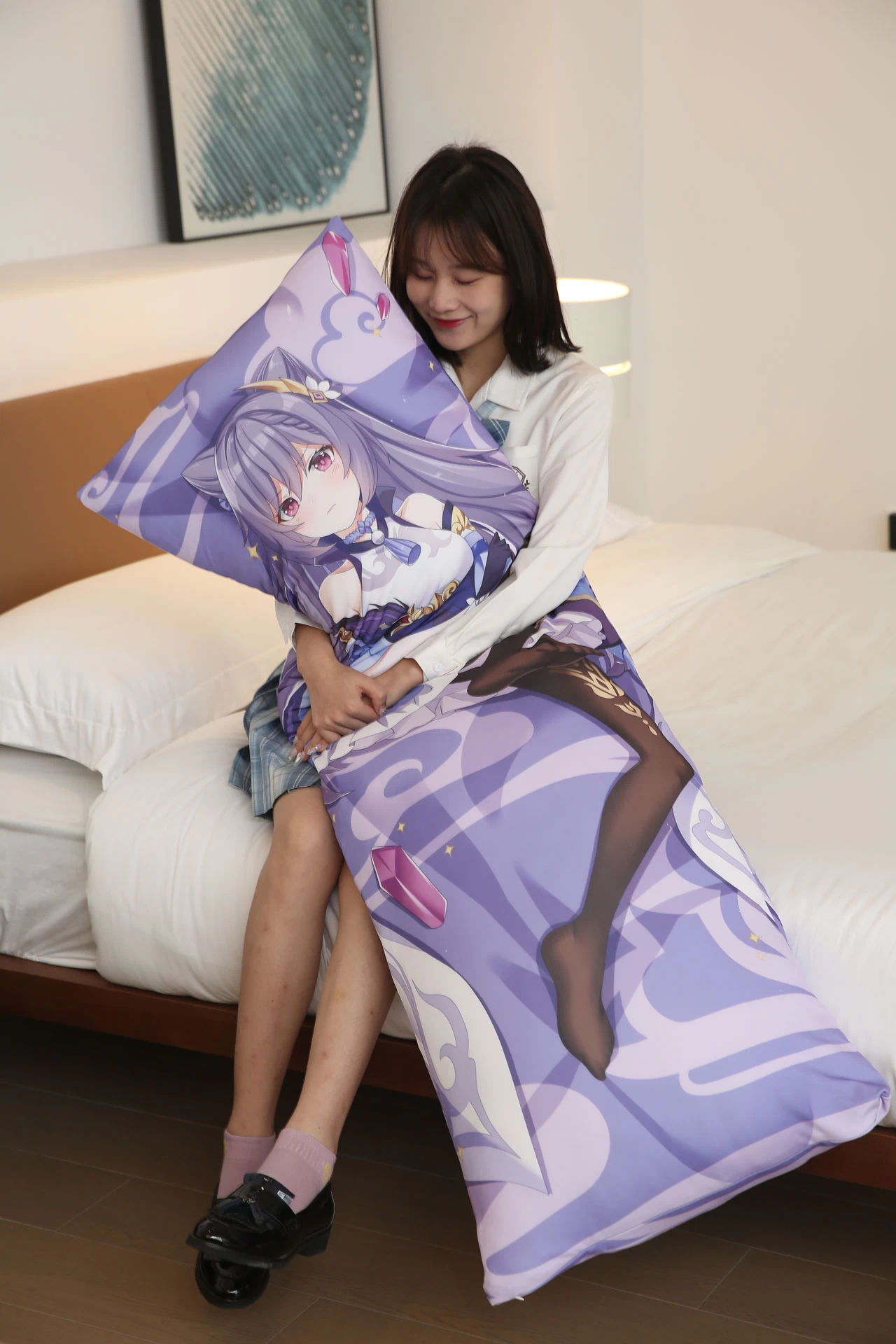
Full product

Center opening
03 / Pillow care
How to Clean a Full Body Pillow With Hole
Care focus: Center opening and surrounding seams
A full-length pillow with a center opening is built differently from a plain rectangular cover. The edges and stitching around the opening need extra care.
Washing & drying details
During washing
- Remove the pillow insert and detachable accessories before cleaning.
- Wash gently around the center opening and the fabric beside it.
- When turning the cover inside out, do not pull the whole cover through the opening.
- Press lightly around the opening. Do not stretch it to lift a stain.
During drying
- Support the cover evenly so the center opening is not under strain.
- Ease the fabric around the opening back into its natural shape.
- Do not hang the wet cover in a way that pulls on the opening.
- Check the opening edges, stitching, and nearby seams before reuse.
What to avoid: Pulling the opening, hard scrubbing, or stretching the fabric around the reinforced edges.
Care tip: Support the area around the center opening whenever you handle the wet cover.
Explore Full Body Pillows With Hole →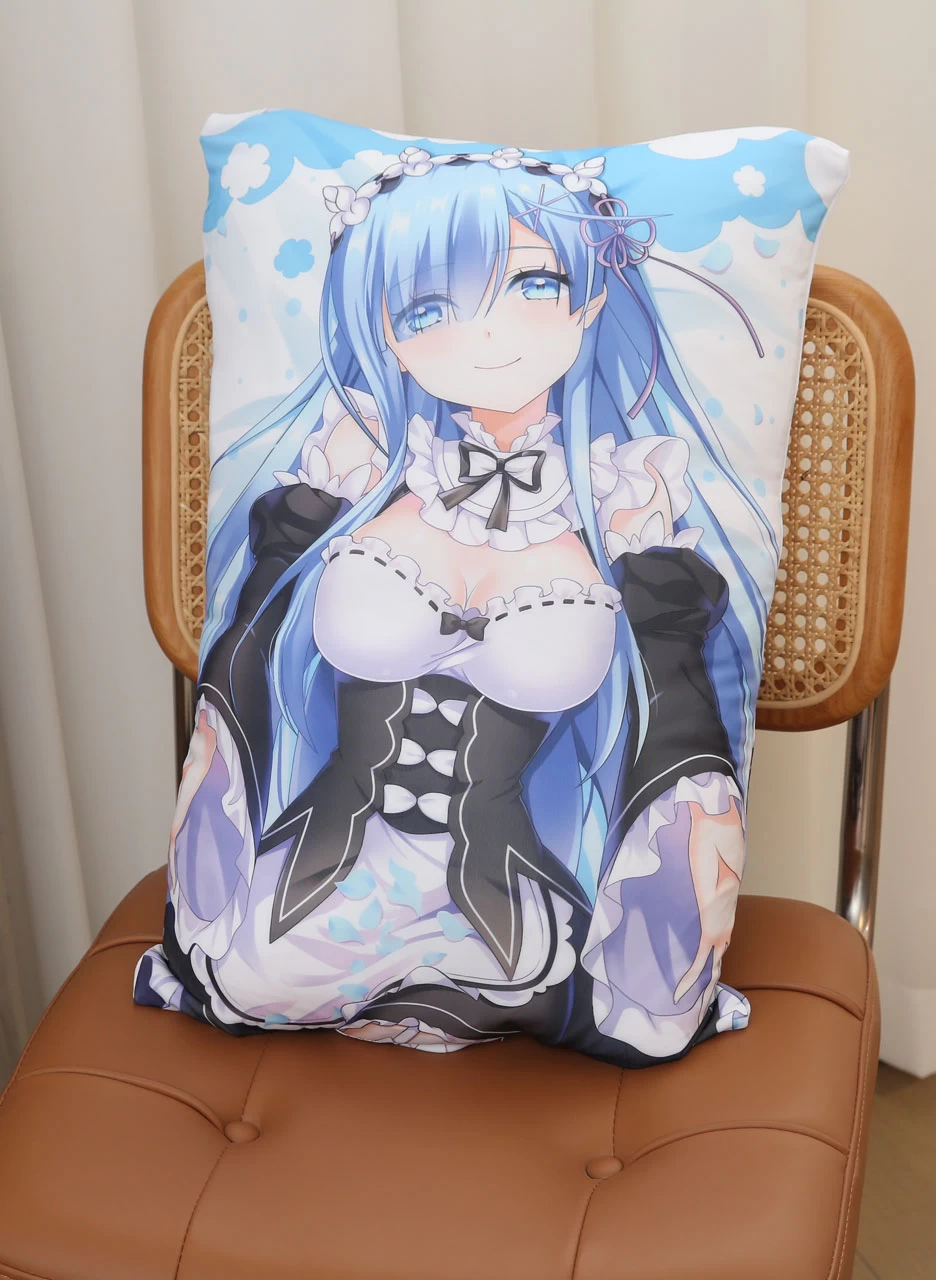
Full product

Bottom opening
04 / Pillow care
How to Wash a Half Body Pillow With Hole
Care focus: Bottom opening and stitching
A half-body pillow with a hole is a compact 40 × 60 cm design with a bottom opening. The smaller size does not make the opening or the seams less delicate.
Washing & drying details
During washing
- Remove the pillow insert and all detachable accessories before washing.
- Clean gently around the bottom opening.
- Do not pull or stretch the opening while turning the cover inside out.
- Use light pressure and mild detergent. Wash detachable accessories separately, using a method that suits their materials.
During drying
- Lay the cover flat or support it evenly on a drying rack.
- Keep the bottom opening in its natural shape.
- Let air reach the bottom seam and the opening.
- Confirm the opening and the stitched area around it are completely dry before reuse.
What to avoid: Pulling the bottom opening, twisting the seams, or washing accessories together with the cover.
Care tip: Check the opening and seams carefully, even on a compact cover.
Explore Half Body Pillows With Hole →Shape Matters — Not Just Fabric.
Before washing, look for the seams, zippers, openings, and shaped areas on your cover. Hand wash with cool water and mild detergent, avoid pulling those sections, and support the cover evenly while it dries.
Gentle Washing · Even Support · Complete Drying
Pillow insert care guide
How to Clean Pillow Inserts
Different Pillow Inserts. Different Cleaning Methods.
Your dakimakura cover and pillow insert should always be cleaned separately. A removable cover can often be gently hand washed. The insert needs a different method, depending on its filling, material, and construction.
From soft PP Cotton inserts to inflatable pillow forms and molded 3D Latex cores, the right method helps keep comfort, shape, and durability.
Important: remove the cover first. Never assume that a washable pillow cover means the pillow insert can also be machine washed.
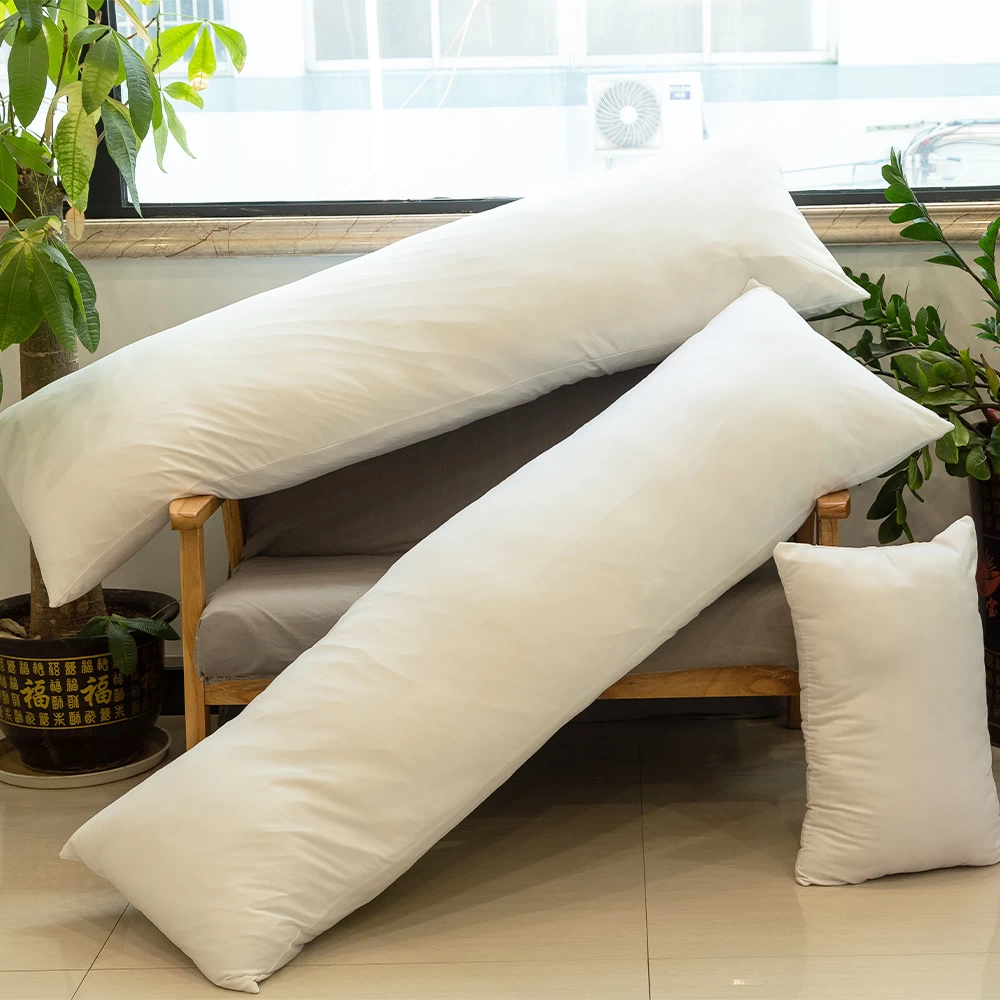
01 / Insert care
How to Clean a PP Cotton Pillow Insert
Soft · Fluffy · Comfortable Support
PP cotton pillow insert cleaning depends on the outer fabric, filling density, size, and construction. Soft synthetic fiber provides the cushioning, so the filling needs to stay dry and evenly distributed.
Best Care
Spot Cleaning Preferred
How to Clean
Step-by-step cleaning
- Remove the printed pillow cover before cleaning.
- For everyday stains, gently blot the area with a soft cloth and a small amount of diluted mild detergent.
- Use another lightly damp cloth to remove detergent residue.
- Avoid saturating the filling.
- Let the insert dry completely, including the center, before the cover goes back on.
- Gently fluff and reshape the insert once it is fully dry.
Some PP Cotton inserts may be machine washable, but this should be confirmed for the specific product before machine washing.
What to Avoid: Excessive soaking, harsh twisting, strong compression while wet, and incomplete drying.
Care Focus: Keep the Filling Dry, Fluffy & Evenly Distributed.

02 / Insert care
How to Clean an Inflatable Pillow Insert
Lightweight · Adjustable · Easy to Store
An inflatable pillow insert is an air-filled form, not a fiber filling. Wipe the outside only, so the surface, air valve, and sealed seams stay intact.
Best Care
Wipe Clean Only
How to Clean
Step-by-step cleaning
- Remove the printed pillow cover and any detachable accessories.
- Deflate the insert if that makes it easier to handle.
- Gently wipe the outer surface with a soft cloth lightly dampened with water.
- For a small stain, use a little diluted mild soap if it is compatible with the surface.
- Wipe away soap residue with another clean, damp cloth.
- Keep water out of the air valve and the internal air chamber.
- Let the entire exterior dry completely before folding, storing, or reassembling.
What to Avoid: Machine washing, tumble drying, abrasive brushes, sharp objects, harsh chemicals, and high heat.
Care Focus: Protect the Air Valve, Sealed Seams & Surface.
Extra tip: For shaped inflatable inserts, such as straight-leg or bent-leg designs, check the corners, folds, and sealed edges where moisture can collect.
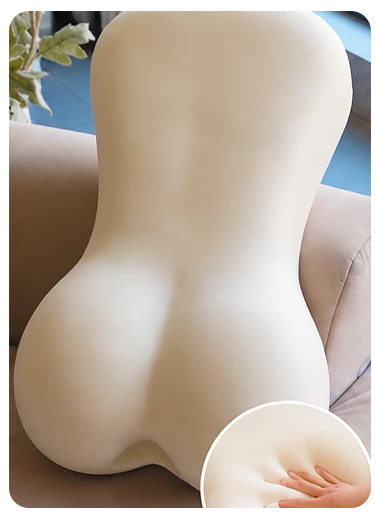
03 / Insert care
How to Clean a 3D Latex Pillow Core
Dimensional Shape · Flexible Support · Special Care
A molded 3D latex pillow core needs gentler care than a removable fabric cover. Excess water, hard washing, and heat can damage some latex materials or leave moisture inside the core. These steps are for a molded foam core. If a 3D latex piece is built differently, confirm the material before using another method.
Best Care
Gentle Surface Spot Cleaning
How to Clean
Step-by-step cleaning
- Remove the detachable printed cover and accessories before cleaning.
- Use a soft cloth lightly dampened with water to clean the surface.
- If needed, use a small amount of mild, diluted cleaner suited to the core material.
- Remove cleaning residue with a clean, barely damp cloth.
- Gently absorb surface moisture with a dry towel.
- Air dry the core completely in a shaded, well-ventilated area before reassembly.
Do not immerse a molded latex foam core in water. Moisture trapped inside the material can be difficult to remove and may lead to deterioration or unwanted odors.
What to Avoid: Soaking, machine washing, aggressive scrubbing, twisting, tumble drying, and direct high heat.
Care Focus: Prevent Excess Moisture & Protect the Molded Shape.
Explore 3D Latex Pillows →
04 / Insert care
How to Wash a Removable Dakimakura Cover
Custom Artwork · Different Fabrics · Separate Washing
Wash the dakimakura cover separately. It is a fabric piece, not part of the pillow insert. The method depends on the material, such as New 2WAY, 2WAY Tricot, Peach Skin, or Plush.
Best Care
Gentle Hand Washing
How to Clean
Step-by-step cleaning
- Remove the pillow insert and detachable accessories.
- Turn the printed cover inside out.
- Wash gently in cool water with mild liquid detergent.
- Avoid aggressive scrubbing, twisting, and excessive stretching.
- Rinse thoroughly and carefully press out excess water.
- Air dry in a shaded, well-ventilated area.
- Put the pillow core back only when both pieces are completely dry.
What to Avoid: Washing the cover with its insert inside, harsh detergents, strong friction, and high-temperature drying.
Care Focus: Protect Printed Artwork, Fabric Texture & Elasticity.
See the hand-wash steps →Quick cleaning reference
Pillow Insert Cleaning Comparison
PP Cotton stays on spot cleaning until machine washing is confirmed for that specific insert.
| Component | Recommended Method | Main Care Priority |
|---|---|---|
| PP Cotton Insert | Spot clean; machine wash only if suitability is confirmed | Filling shape & complete drying |
| Inflatable Insert | Wipe clean with a soft, damp cloth | Air valve & sealed seams |
| 3D Latex Core | Gentle surface spot cleaning | Protect the core from excess moisture |
| Printed Pillow Cover | Gentle hand washing | Artwork, fabric & elasticity |
What About Removable Accessories?
Clean accessories separately. Some pillow designs include detachable silicone, latex, or other specialty accessories. Those pieces can need a different method from both the printed cover and the pillow insert.
- Remove every detachable accessory before washing the cover.
- Identify the accessory material and construction before cleaning.
- Do not assume that every silicone or latex piece can be soaked or machine washed.
- Check openings, seams, and internal areas where moisture can stay trapped.
- Let each piece dry completely before storage or reassembly.
Care tip: Never apply fabric washing instructions directly to specialty pillow accessories.
Different Layers. Different Care.
Your dakimakura cover, pillow insert, and detachable accessories may look like one product when assembled, but each part has different cleaning needs. Clean each piece with a method that suits its material.
Before you put everything back together, make sure the printed cover, pillow insert, seams, valves, and hidden areas are completely dry.
Separate · Clean Gently · Dry Completely
Washing frequency guide
How Often Should You Wash Your Dakimakura Cover?
Your Usage Matters More Than a Fixed Schedule.
How often you should wash a dakimakura depends on how often you use it, how much it touches your skin, and the room around it. There is no single anime body pillow washing frequency that fits everyone.
Washing too often can wear the fabric. Leaving sweat, oils, or moisture alone can affect cleanliness and comfort. Use the notes below to choose a routine that fits your cover.
01 / Daily use
How Often to Wash a Daily-Use Dakimakura
Frequent Skin Contact
2–4 Weeks
A reference for frequent use only
If you sleep with or regularly hug your dakimakura, check the cover often and consider washing it about every 2–4 weeks. Wash sooner if you sweat heavily, see a stain, or notice an unpleasant odor.
Care tip: Pay extra attention to areas that often touch your face, arms, or body.
02 / Occasional use
When to Wash an Occasionally Used Body Pillow Cover
Wash When Needed
As Needed
Follow use and condition
How often to wash a body pillow cover should follow how often you actually use it. If you only use the pillow now and then, look for stains, body oils, dust, and odors, and wash gently when cleaning is needed.
Care tip: Check the cover instead of washing just to follow a calendar.
03 / Collection
How to Care for Displayed Dakimakura Covers
Display & Collection
Dust & Air
Wash only when necessary
If your dakimakura is mainly displayed or kept as part of a collection, frequent washing may not be necessary. Gently remove surface dust, keep the cover out of prolonged direct sunlight, and let air move around it now and then.
Care tip: Skip repeated washing that the cover does not need. That helps reduce wear on the fabric and printed artwork.
04 / Humid environments
Washing Frequency in Hot and Humid Environments
Hot & Humid Conditions
Check Often
Clean when moisture shows up
Warm, humid air makes it easier for moisture and odors to build up, especially when the pillow is used often. Inspect the cover more often, and clean it promptly if it is sweaty, damp, or visibly dirty. Let it dry completely before reuse or storage.
Care tip: Ventilation and thorough drying matter more in humid environments.
Early cleaning signs
Signs It's Time to Wash Your Pillow Cover
You do not have to wait for a usual routine. Wash sooner if the cover needs it. Also look for dirt or residue on the printed surface, and for heavy skin contact after sweating.
Visible mold is not a routine wash. Stop using the affected item and assess the contamination before you decide what to do next.
Wash When Needed. Care for It Gently.
These frequencies are general care guidelines. They are not fixed rules, and they are not a laboratory-tested standard for one product. Your routine depends on use, skin contact, humidity, sweating, and how clean you want the cover to stay.
When a wash is needed, gentle hand washing in cool water with mild detergent, then complete shade drying, is the recommended method.
Clean When Needed · Avoid Unnecessary Washing
Best storage practice
Dakimakura storage guide
Long-Term Storage & Daily Care for Dakimakura Covers
How to Store Your Dakimakura Cover Properly
Store it right. Keep it soft. Protect your favorite artwork. Careful storage helps protect a favorite cover between uses or as part of a collection.
Simple care helps the fabric stay soft, flexible, and in shape. Moisture, friction, heavy pressure, heat, and direct sunlight are the main things to limit. Storing a cover is not a reason to wash it on a fixed schedule.
Storage essentials
6 Essential Tips for Long-Term Dakimakura Storage
Simple ways to protect the cover between uses. Open a card for the fuller note. These are general textile-care habits, not a lab test of one fabric.
01
Clean & Dry
Make sure the entire cover is clean and fully dry.
Show storage notesHide storage notes
Before long-term storage, check the cover for sweat, body oils, stains, and unwanted odors.
Gently clean it if it needs cleaning, then let it dry completely. Check zippers, seams, openings, and hidden fabric layers, where moisture can remain.
Care tip: Never store a damp pillow cover.
02
Fold Gently
Avoid tight folds, stretching, and heavy compression.
Show storage notesHide storage notes
Fold the cover loosely along natural fabric lines. Avoid sharp creases, tight rolling, heavy compression, and stacking heavy objects on the folded fabric.
If it will stay stored for a long time, change the fold lines now and then so the same spots are not stressed over and over.
Care tip: Store the cover without stretching or compressing the fabric.
03
Breathable Bag
Use a clean cotton bag to protect from dust.
Show storage notesHide storage notes
Put the clean, dry cover in a breathable cotton storage bag, or another clean container that is safe for fabric. A bag helps keep off dust, rubbing, and rough objects nearby.
Do not leave fabric for a long time in an airtight plastic bag if moisture or condensation can get trapped, especially in humid air.
Care tip: Choose clean, dry storage materials and avoid trapping moisture.
04
Cool & Dark
Keep away from sunlight, heat, and dampness.
Show storage notesHide storage notes
Store the cover in a clean, dry place, away from prolonged direct sunlight and high heat. Shade and distance from heat are practical ways to prevent dakimakura fading.
Avoid damp basements, humid bathrooms, hot attics, and rooms with poor airflow or frequent condensation. A dry closet, a protected drawer, or a clean shelf is a practical choice.
Care tip: Stable conditions help reduce odors, moisture buildup, and fabric deterioration.
05
Avoid Friction
Keep rough fasteners and sharp objects away.
Show storage notesHide storage notes
Do not store the cover against hook-and-loop fasteners, exposed metal zippers, jewelry, sharp decorations, or other rough surfaces. Those can snag delicate fabric, especially a smooth, stretchy knit.
Keep removable accessories separate so they do not press into the printed cover.
Care tip: Protect the fabric from unnecessary rubbing and snagging.
06
Check Regularly
Inspect for moisture, odors, and fabric damage.
Show storage notesHide storage notes
Check stored covers now and then for moisture, unusual odors, discoloration, dust, and damaged stitching or zippers.
If a cover has stayed folded for a long time, unfold it and refold it along different lines. Let air move around it occasionally in a clean, shaded place.
If you find mold, stop using the affected item and assess the contamination before you handle it further.
Care tip: A regular look can catch a storage problem early.
Do
Proper Storage
A clean, dry cover, folded loosely, and kept away from sunlight and moisture.
Don't
Poor Storage
Damp conditions, heavy compression, and direct contact with rough objects.
A plastic box is not automatically the wrong choice. The problems to avoid are damp air, condensation, and leaving fabric sealed for a long time when moisture can stay trapped. In a dry, stable space, a suitable archival container can also protect textiles.
Everyday pillow care
Daily Care Tips for Your Anime Body Pillow
Small habits make a difference. You do not need to wash the cover after every use. These habits are how to keep an anime body pillow clean between washes.
Remove Surface Dust
Use a soft, clean cloth or a fabric-appropriate lint remover for dust and loose hair. Skip stiff brushes and hard rubbing.
Keep It Dry
If sweat or humidity dampens the cover, let it dry completely before storage or reuse.
Reduce Friction
Limit long rubbing against rough clothing, metal accessories, and abrasive surfaces that can snag the fabric.
Limit Sun Exposure
Keep the printed cover away from prolonged direct sunlight, space heaters, radiators, and other high heat.
Fabric storage notes
Extra Storage Care for Different Fabrics
Three short reminders. Washing steps for each fabric stay in the earlier guide.
New 2WAY & 2WAY Tricot
2WAY Tricot storage should avoid constant tension or a stretched position. Fold loosely, and keep sharp objects off the smooth knit.
Peach Skin
Protect the soft, matte surface from extra friction, rough contact, and long sunlight.
Plush
Do not tightly compress the fluffy pile for a long time. Leave enough room for the texture to stay soft.
Care that lasts
Keep Your Dakimakura Looking Its Best
A little care goes a long way. Protect the cover from friction, excessive heat, moisture, and prolonged direct sunlight so the fabric can stay soft, keep its shape, and hold the printed artwork.
Whether the pillow is part of daily use or a collection, gentle washing, complete drying, and careful storage help it stay in good condition longer.
Clean Gently · Store Carefully · Enjoy Longer
Help & care
Washing & Care FAQ
Have questions about dakimakura washing for your anime body pillow cover? These answers cover fabric cleaning, machine washing, drying, special designs, and long-term storage.
Our Care Recommendation
Gentle washing, cool water, and natural air drying help protect your dakimakura cover.
Can I wash my anime dakimakura cover?
Yes. Most removable anime dakimakura covers can be cleaned gently. How to wash a dakimakura depends on the fabric and the way the cover is built. Gentle hand washing in cool water, with a little mild liquid detergent, is the method we recommend. Remove the pillow insert and detachable accessories first. Avoid strong rubbing, twisting, and high heat.
Can I put a dakimakura cover in the washing machine?
Machine wash a cover only when its care label explicitly permits it. Fabric names such as 2WAY Tricot or Peach Skin do not confirm suitability on their own. Otherwise, use gentle hand washing. For a machine-washable cover, follow the label, close the zipper carefully and use a suitable laundry bag. Air dry as instructed.
What water temperature should I use?
Use cool water at 30°C / 86°F or below unless the care label specifies otherwise. It puts less stress on delicate fibers, stretch, and printed artwork. Avoid hot water, especially on stretchy 2WAY fabrics and on protein-based stains. Use the same cool range for gentle hand washing and for a delicate machine cycle.
What detergent is best for a dakimakura cover?
Use a mild liquid laundry detergent suitable for the cover, following its care label. Use a small amount and let it dissolve in the water before the cover goes in. Avoid bleach, strong stain removers, abrasive cleaners, and harsh chemicals that can affect the fabric or the print. For a spot clean, test the diluted detergent on a small hidden area first.
How do I wash a 2WAY Tricot dakimakura cover?
Gentle hand washing is preferred for 2WAY Tricot covers. turn the cover inside out, use cool water with mild detergent, and press the fabric instead of scrubbing it. Rinse thoroughly, press out extra water without twisting, and air dry in the shade. Keep rough clothing, stiff brushes, hard stretching, and high heat away to limit snags, pilling, and extra wear.
Does New 2WAY require different care from standard 2WAY?
Both New 2WAY and standard 2WAY Tricot need gentle handling. New 2WAY fabric care follows a product name, not one shared textile specification, so the material and washing tolerance can vary. We recommend gentle hand washing, with extra attention to friction and stretching. For both fabrics, use cool water, mild detergent, and natural air drying.
Can I put my dakimakura cover in the dryer?
Can you tumble dry dakimakura covers? Only if that specific cover's heat tolerance has been confirmed. Otherwise, skip the dryer. High heat can affect some synthetic fibers, stretchy constructions, and printed finishes. Press out extra water with a clean towel, then lay the cover flat or drape it evenly over a drying rack. Air dry it completely in a shaded, ventilated place.
How do I prevent my anime pillow print from fading?
Gentle cleaning and careful storage help prevent dakimakura fading. Turn the cover inside out before washing, use cool water and mild detergent, and avoid harsh scrubbing or bleach. Dry it away from prolonged direct sunlight and high heat. When you store the cover, keep it clean, completely dry, and protected from friction and sun.
How often should I wash my dakimakura cover?
There is no washing calendar that fits everyone. Choose a washing routine based on use, skin contact and room conditions. For frequent use, checking the cover and considering a wash about every 2–4 weeks is only a starting point. Wash sooner for sweat, stains, odors, or heavy soiling. Occasional or display-only covers often need less washing.
Can I wash my dakimakura cover with the pillow insert inside?
No. Always take the pillow insert out before washing the cover. Do not wash a pillow insert as if it were the printed fabric. PP Cotton, inflatable inserts, and 3D Latex cores each need their own method. Clean the cover and the insert separately, then wait until both are completely dry before you put them back together.
How should I wash a double-layer dakimakura?
Double layer dakimakura washing needs care around the outer fabric, the inner fabric, the hidden zipper, and the extra seams. Remove the insert and accessories, then close the zipper without catching fabric. Hand wash in cool water with mild detergent. Do not pull the inner layer or twist the cover. Afterward, separate the layers you can reach and dry the fabrics, zipper, and seams completely.
How should I store my dakimakura cover?
Store only a clean, completely dry cover. Fold loosely and place the cover in a clean, breathable bag or another suitable container. Choose a cool, dry, dark spot away from sunlight, high heat, and moisture. Avoid heavy compression, rough objects, and prolonged stretching. Check stored covers now and then for odors, dampness, or damage.